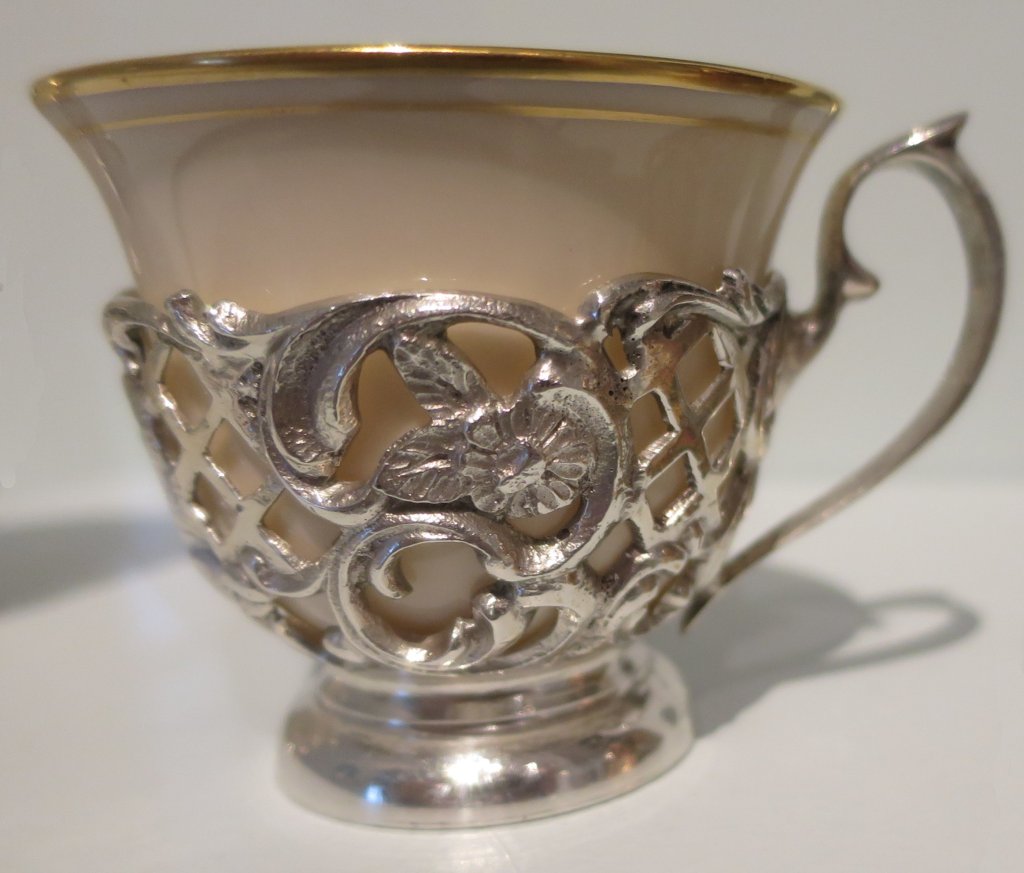
A small cup arrives with a glass of water. The coffee has foam on top and fine sediment below. Which parts belong to the brewing method, and which belong to the way it is served? Separating those questions makes Turkish coffee easier to understand without turning a living tradition into a rigid checklist.
The short answer: Turkish coffee is prepared with finely ground coffee that remains in the drink rather than being removed by filtration. Its name describes a preparation method, not a particular bean grown in Türkiye. Both The UNESCO Courier’s explanation and Go Türkiye’s guide to coffee varieties make that distinction.
What stays in the cup—and why
The usual equipment includes a cezve, a small long-handled brewing pot, and a fincan, the serving cup. Finely ground coffee is heated with water; sugar, when wanted, is added during preparation. Go Türkiye’s İstanbul guide describes the utensils and the choice of sweetness, while The UNESCO Courier describes slow brewing to develop foam.
The grounds are part of this method’s service, but that does not mean they are meant to be swallowed. The coffee specialist interviewed by The UNESCO Courier explicitly distinguishes serving coffee with its grounds from drinking those grounds. A useful way to think about the cup is as two things together: the beverage to sip and the sediment left behind.
A quick guide to what you are seeing
This table separates preparation from presentation. It is an original synthesis of the linked guidance, not a universal etiquette code.
| Detail | What it tells you | Scope |
|---|---|---|
| Very fine grounds | The coffee is served with its grounds. Source: Go Türkiye | A feature of the preparation described here, not evidence of the beans’ country of origin. |
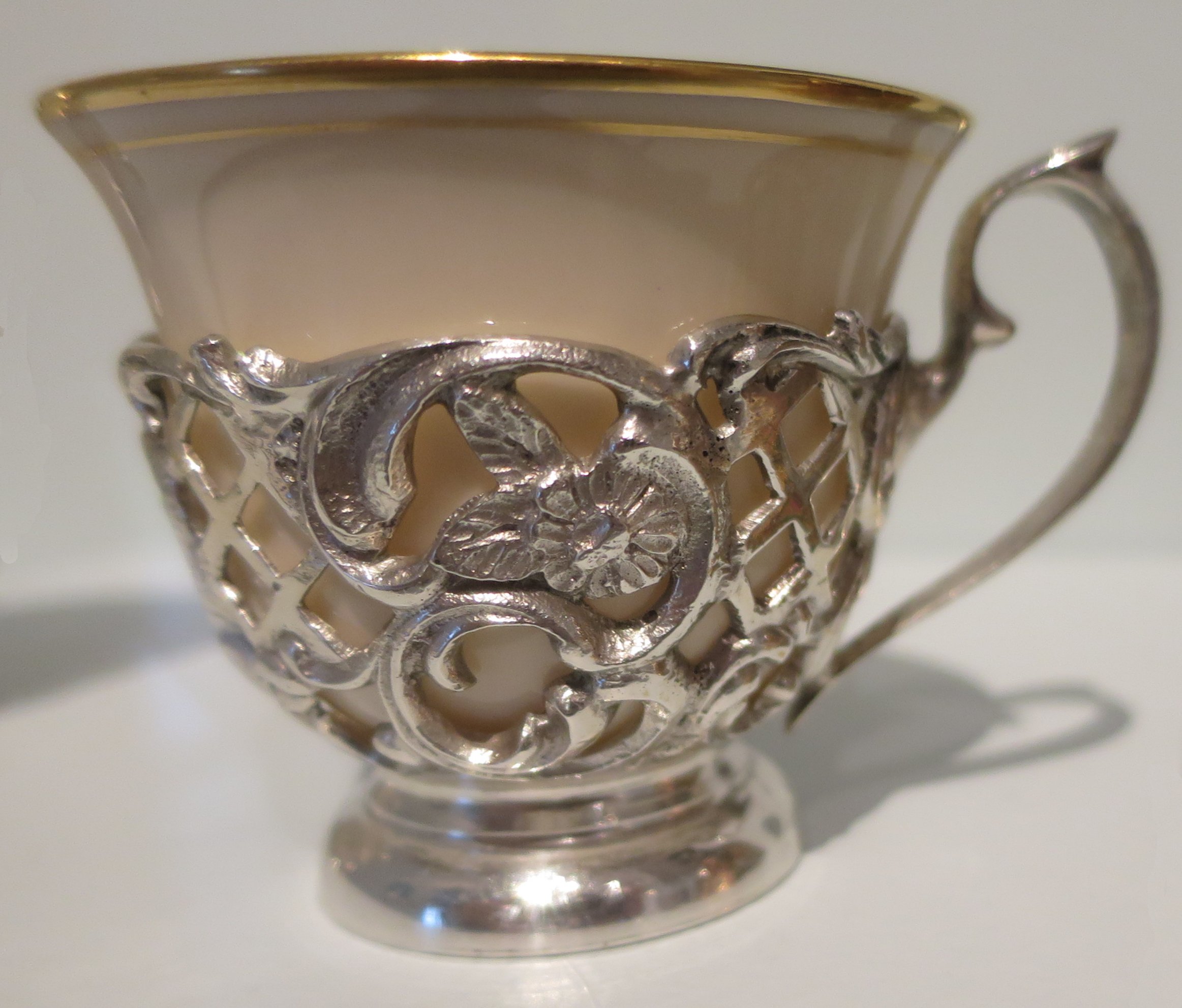
| Cezve and fincan | The brewing pot and drinking cup have separate roles. Source: İstanbul guide | The photograph shows a cup and holder, not a brewing pot. |
| Water and lokum | Water and Turkish delight are traditional accompaniments. Source: İstanbul guide; UNESCO Courier | A description of a customary service, not a requirement for every household or café. |
Why a coffee invitation means more than a recipe
The Turkish National Commission for UNESCO describes coffee gatherings as occasions for conversation, news and personal concerns. It also identifies engagement ceremonies and holidays among the tradition’s social settings. UNESCO recognition came in 2013, a date independently recorded by The UNESCO Courier and Go Türkiye. That is the inscription date, not the date coffee was invented.
The remaining sediment can also become part of a social pastime: reading patterns in coffee grounds. The National Commission and Go Türkiye’s cultural guide describe this practice. It should be presented as a tradition or belief, not as a verified way to predict events. Nor should a visitor assume that everyone participates.
There is room for variation
Go Türkiye’s varieties guide discusses different preparations and heat sources, including sand, coals and a household stove. Its own range is a reminder to ask what a particular café serves rather than expect one theatrical setup everywhere.
For a first encounter, three ordinary questions are more useful than memorizing a performance: How sweet would you like it? How is this version prepared? What does the host recommend? These are practical suggestions from our synthesis, rather than claims about what every Turkish host expects.
Continue with Ethiopia’s coffee ceremony or Moroccan mint tea. Reading the practices side by side is useful precisely because their equipment, preparation and social settings should not be treated as interchangeable.
Sources and further reading
The UNESCO Courier: Turkish coffee, not just a drink but a culture — preparation, serving and heritage context.
Turkish National Commission for UNESCO: heritage list, section 11 — social practices and inscription.
Go Türkiye: Turkish coffee in İstanbul — utensils, sweetness and accompaniments.
Go Türkiye: types of Turkish coffees — method and variation. Turkish coffee culture — grounds-reading as a cultural practice.
Source check: October 22, 2026. The UNESCO listing’s main page was inaccessible during this check; the accessible Courier, National Commission and tourism-body sources above were used instead. No disputed first-coffeehouse or invention date is asserted here.
Editorial notice: Prepared for People & Origins with AI assistance using the linked sources. This article is original synthesis, not firsthand experience or original reporting. The photograph is by Hiart, not AI-generated. See our Editorial Policy & AI Transparency.


Leave a Reply