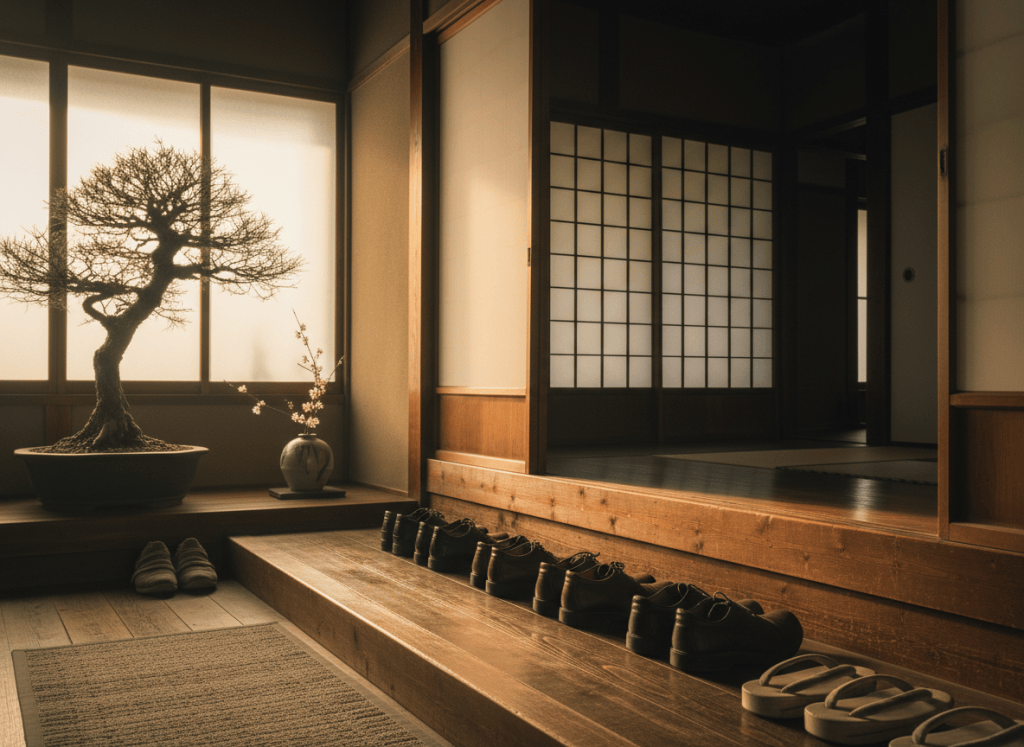
Why does a simple doorway reveal so much about the way a society organizes everyday life? In Japan, the answer can begin with a pair of shoes.
Step inside a Japanese home and you may notice a subtle shift: the street ends at the genkan, an entrance area where outdoor footwear is left behind. It is a practical custom, but also a beautiful example of how architecture, habits and hospitality meet.
1. A doorway that changes how you behave
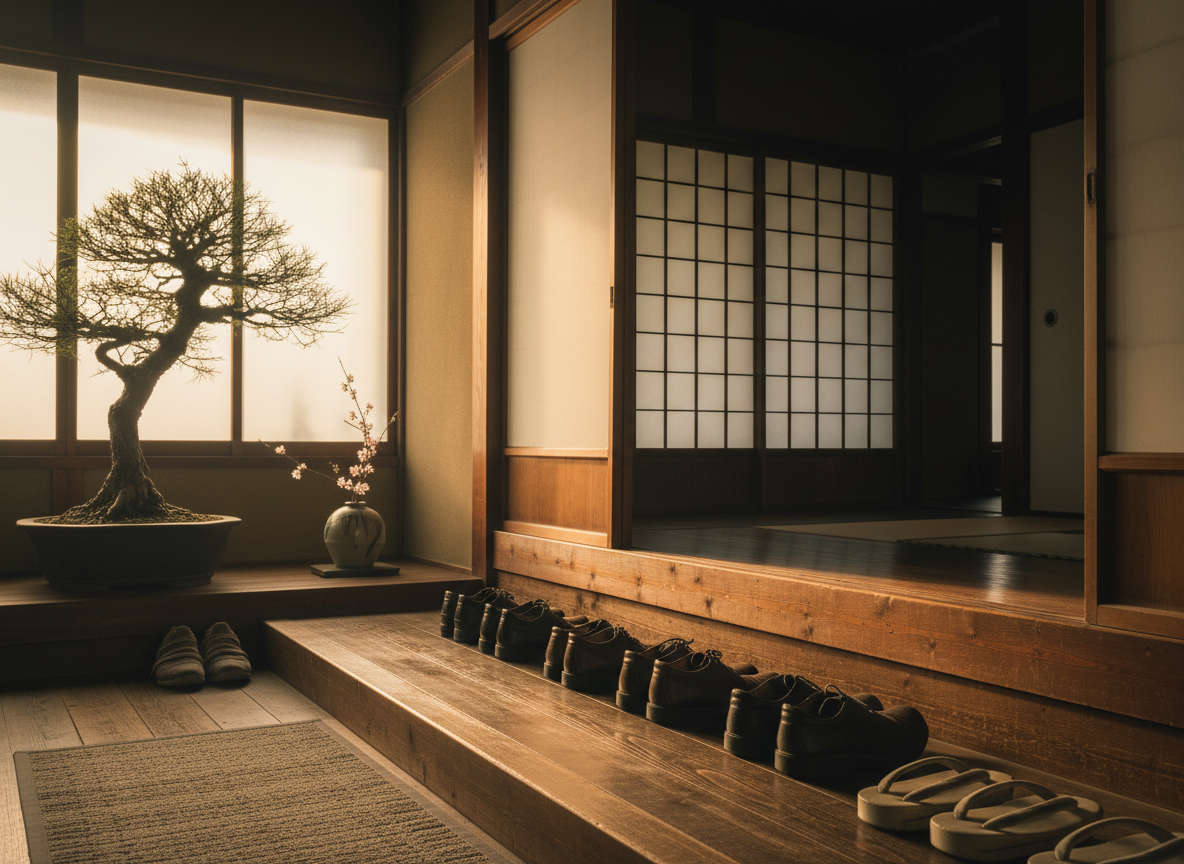
The genkan commonly has a lower area for shoes and a raised interior floor. In homes, removing outdoor shoes helps keep living spaces clean, particularly where people sit or sleep on tatami flooring. The custom also appears in some inns, restaurants and religious sites—but not everywhere. Look for signs or follow your host’s lead.
2. Consideration in shared spaces
Another detail visitors often notice is how people manage noise on trains. Conversation is possible, but loud phone calls are generally discouraged. The underlying idea is familiar in many countries: your actions can shape the experience of strangers around you.
There is no single Japanese personality or universal rule. A crowded Tokyo commute, a rural family gathering and a lively neighborhood festival are very different settings. Cultural habits become more interesting when we look at context rather than stereotypes.
3. The seasons are part of the story
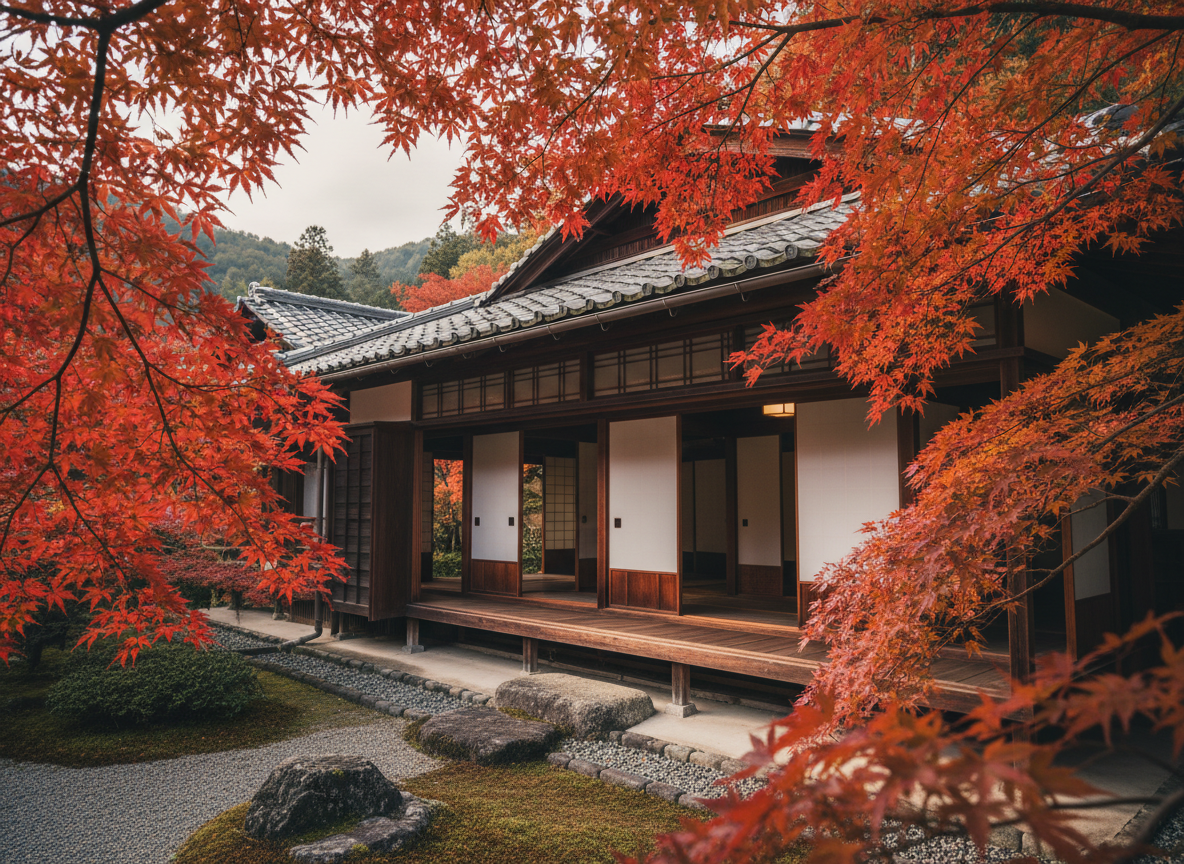
Spring cherry blossoms get worldwide attention, but the calendar of seasonal pleasures stretches through the year. Autumn leaves, seasonal food and regional festivals create opportunities to notice change. The appeal is not that every person participates in the same way, but that the changing natural world is a recurring subject of cultural expression.
4. Small gestures can open bigger conversations
Before visiting a home or traditional inn, observe where others leave their shoes. When you’re unsure, ask politely. A good traveler does not need to perform every custom perfectly; being attentive and respectful matters more.
The deeper takeaway
Sometimes the most revealing parts of a culture are not its grand monuments. They are the tiny decisions people make every day: where shoes belong, how a room is entered, and how shared spaces are treated. Follow those details and you begin to see the stories behind them.
Further reading
Japan National Tourism Organization: Japanese manners · Nippon.com: The Genkan
Illustrations in this article are AI-generated and are intended to evoke cultural settings, not document specific real locations.
Explore next: Traditions & Rituals · Countries & Cultures


Leave a Reply